London BBC World Service “Focus on Africa” program (in English) — 1615 GMT
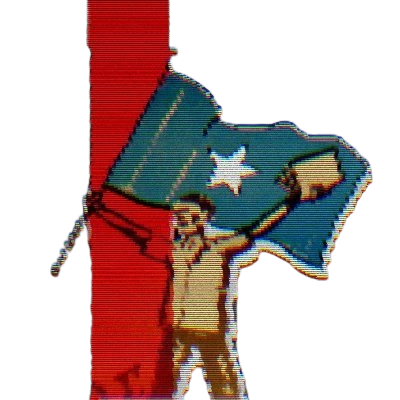
[Presenter] The Somali Patriotic Movement, the SPM, is the latest group to emerge in opposition to the government of President Siad Barre.
The SPM is largely made up of Ogadeni defectors from the Somali Army, and they are said to be thinking about some alliance with the SNM (Somali National Movement), the main rebel group in the north. The SPM claims to have been involved in clashes in and around the main southern town of Kismaayo.
Journalist Mr. Lakoza is just back after traveling with the SPM in the south. Akua Musowa asked him if he had seen any evidence of fighting:
[Begin recording]
[Lakoza] No, I did not see any fighting. The areas where I traveled had been taken over by the SPM forces some time previously, and the local populations seem to feel confident that there would not be any resumption of the fighting. They were very, very nervous about coming back to their dwellings in the towns.
The majority of people that I met were still living in the bush, and they had abandoned their shops and their houses in the main district centers and were only just beginning to fill (words indistinct) again.
The fighting itself seems to be concentrated around Kismaayo. There are not any other very important strategic centers in the south.
[Musowa] (words indistinct) from where they get their military support?
[Lakoza] The SPM, having come mainly from the government forces, appear to have brought the best of their weapons with them. Now, they are very lightly armed. The people that I saw did not have any heavy weapons. They have no vehicles, they have no antiaircraft weapons. They, of course, maintain that they have absolutely no outside support at all, and there is no evidence that there is any outside support.
Both of the countries bordering Somalia, where the SPM is fighting, are very hostile to the SPM in Kenya, and they have apparently lost their base of support in Ethiopia. So, it seems that they are relying entirely on the support that they have inside the country.
[Musowa] What about stories that there is imminently an alliance with the SNM, the main Somali opposition movement.
[Lakoza] Well, of course, the SNM has been operating for very much longer than the SPM, and they have had some degree of success in the north. Colonel (Basha Ali) told me that SPM forces were taking part in the fighting around Hargeisa in alliance with the other groups. Now, there has been a meeting about 6 weeks ago between representatives of the SPM and the SNM.
Apparently at that meeting, they stated that they intended to join both forces under one commander. This new military joint force will be called the Somali National Army, and the man proposed as commander of the joint forces is Colonel Ahmed Omadias, who has been operating in the north.
Now, he has not declared himself for the SNM or the SPM, so he appeared to be acceptable to both as commander of the joint forces.
[Musowa] How durable can an alliance between the SNM and SPM be, given that allegiance to both organizations is essentially ethnic.
[Lakoza] Well, all Somali affairs are affected by clan politics. The present situation seems to be that everybody is united in their opposition to the government.
When I asked people that I met who their enemy was, they said the government and any supporters of Mohamed Siad Barre. There is a very, very strong ethnic (words indistinct) to the entire war. The Marehan clan of the president was very much seen as the enemy of everybody else.
[End recording]
Source: FBIS-AFR-89-249, 29 Dec. 1989, p. 8
 The Somali History Archive